Home › Road, Street, and Municipal Paving
Our road and street paving services in Greensboro, NC support municipalities, neighborhoods, and private developments. We construct and resurface asphalt roads designed for long-term traffic loads. Work with an experienced crew that understands drainage, grading, and smooth ride quality.
Precision Asphalt Greensboro provides professional road paving throughout Greensboro, NC, North Carolina and the surrounding area. Our licensed, insured crew delivers safe, clean, on-time work with a free estimate before anything begins. Call (336) 604-0154 or request your free quote.
Road and street paving for Greensboro communities
Road paving for a neighborhood, city street, or municipal facility is very different from paving a driveway or small parking lot. At Precision Asphalt Greensboro, we focus on the specific needs of public roads in Guilford County traffic loads, safety standards, and long term durability in North Carolina’s freeze and thaw cycles.
When we look at a road or street project, we start by understanding who uses it and how. A residential cul-de-sac in Greensboro might only see cars, school buses, and the occasional delivery truck. A connector road off Wendover Avenue or near I-40 may handle heavier traffic, frequent turning, and braking. Those details drive decisions about asphalt thickness, base preparation, and drainage so the road stays smooth and safe for years instead of needing early repairs.
Our team is local, which means we know how summer heat, sudden thunderstorms, and winter cold snaps in the Triad affect new asphalt. We schedule work to avoid common weather pitfalls and help your HOA, property management group, or public works department plan projects at the right time of year for the best results and the least disruption.
How our road and municipal paving process works
Every road paving project in Greensboro starts with a walk through and a detailed surface evaluation. We look for rutting, potholes, alligator cracking, drainage issues, soft spots, and previous patchwork that might hide deeper problems. For existing roads, we test sections of the base layer to see whether we can mill and overlay or whether full depth reconstruction is the better investment.
Next, we perform any required grading and base work. For new streets, we shape the subgrade to match the engineering plans, then install and compact a stone base to a specified thickness, usually 6 to 10 inches depending on traffic loads. We compact in multiple lifts with vibratory rollers and plate compactors around utilities and edges so the whole structure acts as a single, strong platform.
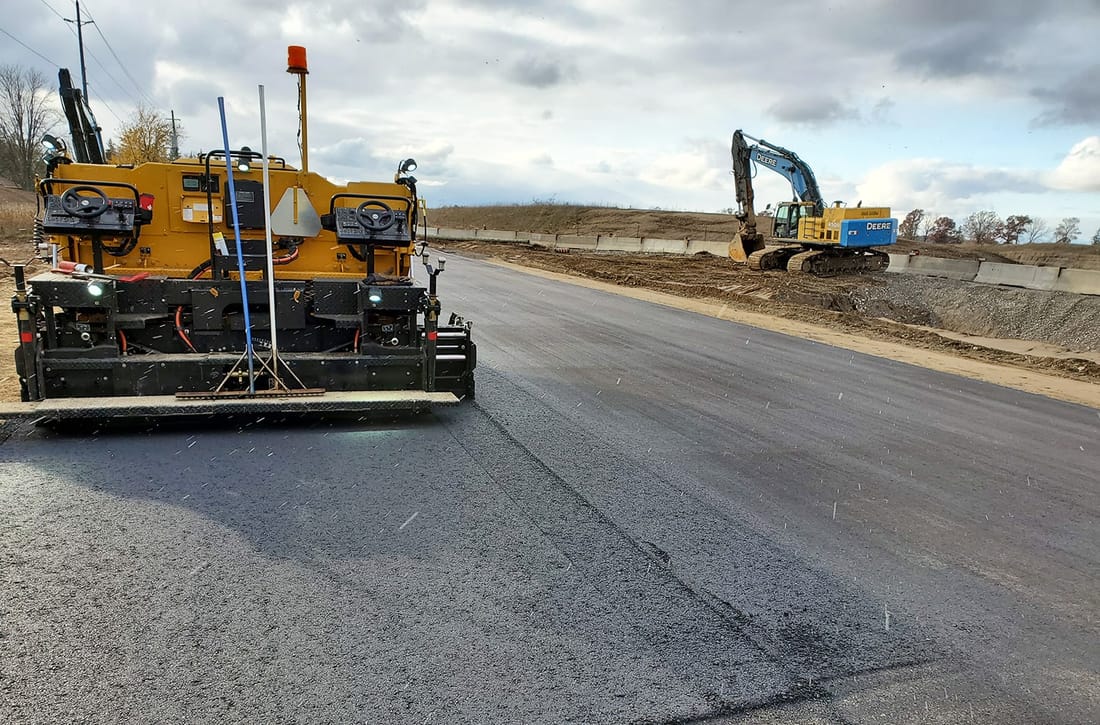
Once the base is verified for density and proper slope, we place the asphalt in one or more lifts. For light duty residential streets, we may install a binder course and a surface course. For heavier traffic roads and municipal routes, we may use a multi layer system with a stronger intermediate course. Our crews monitor mat temperature, roller patterns, and joint locations in real time, which is critical in our warm, often humid Greensboro climate where asphalt can cool faster in shade than in full sun.
Final steps include compacting to target density, checking transitions at driveways and intersections, and rolling joints so drivers do not feel a bump when crossing between new and older pavement. For public and municipal work, we coordinate inspections and testing as required so your project moves smoothly from paving to striping and open traffic.
Material and design options for Greensboro roads and streets
There is no single asphalt mix or pavement structure that fits every road. At Precision Asphalt Greensboro, we match materials and design to the conditions on each site. For residential subdivisions, we commonly recommend a slightly thicker surface course to improve smoothness and resist raveling from frequent turning and slow speeds.
On higher volume streets and municipal routes, we often use a stronger binder course under the surface layer to control rutting from bus routes, trash trucks, and delivery vehicles. If a road sees frequent standing water, we may suggest adjustments to slope or the use of a more open graded mix in specific areas to help move water to inlets. Proper cross slope and longitudinal grade are especially important in Greensboro where heavy summer storms can dump a lot of water in a short period.
We also help HOAs and municipal clients decide between milling and overlay, full depth reclamation, or complete reconstruction. For example, if an older street in a Greensboro neighborhood still has a sound base but the top layer is cracked and rough, milling off 1.5 to 2 inches and installing a new surface can add many years of life at a lower cost than rebuilding. If we find deep base failures or chronic drainage problems, we will explain why a more extensive fix is the better long term option instead of simply paving over the issue.
What affects the cost of road paving in Greensboro
Road paving costs are driven by more than just asphalt price per ton. When Precision Asphalt Greensboro prepares an estimate, we break down the key factors so you can plan and budget realistically.
Project size and layout are a major influence. A long, straight road is more efficient to pave than a tight, winding subdivision with many cul-de-sacs, manholes, and tie ins. Mobilizing crews and equipment for multiple short segments or working around heavy existing traffic can also increase the labor component.
Existing conditions matter as well. Roads with deep potholes, base failures, poor drainage, or numerous previous patches usually require more milling, undercutting, or base replacement. In Greensboro, we see a lot of damage where utility cuts were not properly restored. These areas often need extra attention so the new pavement does not quickly settle or crack.
Thickness and mix design are other cost drivers. Heavier duty pavements with thicker binder courses and high performance surface mixes cost more initially but are often the right choice for bus routes, industrial access roads, and municipal service yards. We will walk you through options so you can weigh initial cost against expected service life and maintenance needs.
Dealing with common road problems and preventing new ones
Greensboro roads and streets face a specific set of challenges: temperature swings, heavy summer rain, and consistent traffic loading. The most common problems we are called to fix are alligator cracking from base failure, edge breakdown where shoulders are weak, rutting in wheel paths, and recurring potholes that never seem to stay patched.
Our approach is to solve the cause, not just cover the symptom. For example, if we find rutting on a bus route through a neighborhood, we will evaluate whether the binder course is too thin or if drainage is saturating the base. In some cases we recommend deeper milling and installing a stronger mix in the wheel paths instead of simply adding a thin overlay.
We also pay special attention to drainage, because standing water is one of the fastest ways to destroy asphalt in North Carolina. During planning, we check that inlets are at proper elevations, that curb lines promote flow, and that low spots are minimized. When needed, we coordinate with your engineer or city staff to revise grades slightly so water finds a predictable path off the roadway.
To help prevent premature damage, we can also develop a maintenance plan that includes scheduled inspections, crack sealing, and timely surface treatments. Addressing small cracks before water gets in and winter freeze cycles expand them can significantly extend the life of a paved street or municipal lot.
Planning, traffic control, and timing for public and private roads
Road paving affects people, not just pavement, so careful planning is essential. Precision Asphalt Greensboro works with HOAs, property managers, schools, and municipal departments to minimize disruption while still getting the work done efficiently and safely.
Before we start, we help you map out phases so residents, customers, and city services always have a way in and out. For neighborhood streets, that might mean paving one side of a loop at a time and providing clear detour routes. For municipal facilities or busy connectors, we may schedule night or off peak work to keep traffic moving. We supply and set up cones, barricades, and signage so drivers know what to expect.
Weather timing is also critical in our region. In Greensboro, we typically recommend substantial paving work from late spring through early fall when temperatures support proper compaction and curing. Early morning starts help us place and roll asphalt before afternoon thunderstorms become likely. If a sudden weather shift threatens quality, we would rather pause and reschedule a portion than rush and leave you with a weaker surface.
Throughout the project, you will have a clear point of contact who can answer questions from residents, coordinate with trash and delivery services, and keep your team updated on daily progress. When we finish, we walk the site with you, address any punch list items, and discuss how to care for the new pavement in its first critical months.